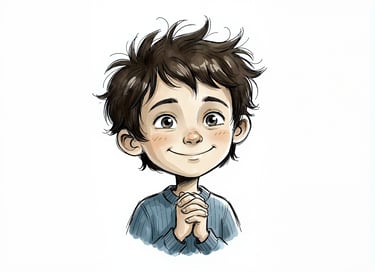
Every child deserves a story that speaks to them.
Not every child experiences the world the same way. Some wear their emotions openly, spilling over with feeling before they have the words to explain why.
Others keep everything locked inside, unsure how to begin. And many fall somewhere in between, needing a gentle way in, a story that shows them their feelings are real, valid, and shared by others. The Brown Dog of the Green Glen was written to be that story, for all of them.
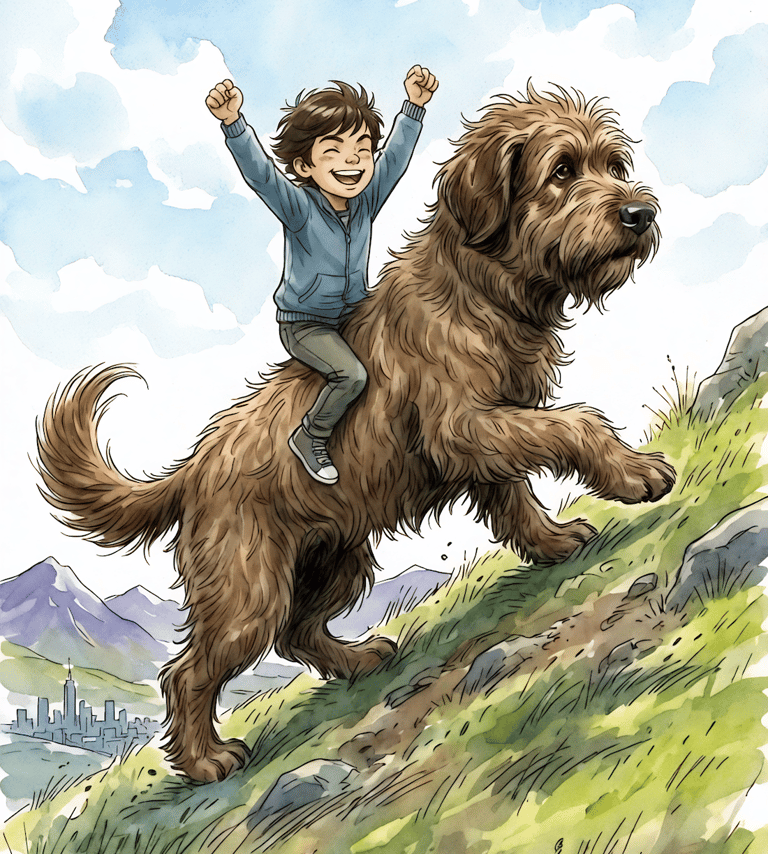
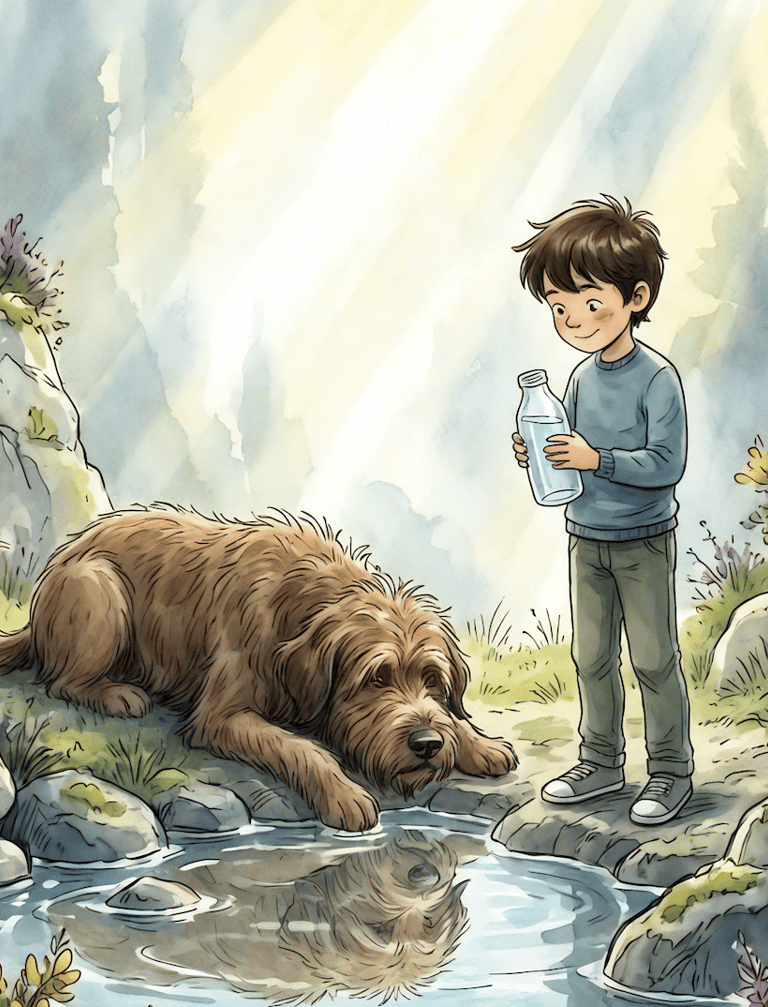
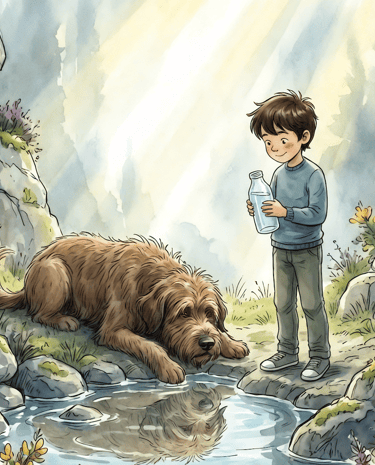
For children who feel everything. And the adults who love them.
Some children move through the world with their emotions close to the surface. They feel joy intensely, and fear just as much. They need stories that take their inner life seriously, without drama or judgment, and that show them it is safe to feel what they feel.
The Brown Dog of the Green Glen was written for those children. It meets them inside the story, through a character who is small, uncertain, and sometimes scared, but who keeps going anyway. By the time the last page is turned, children have not been lectured about feelings. They have lived through them alongside Finn.
But at its heart, it is simply a great story that children ask for again and again.
A trusted resource for educators and therapists.
The Brown Dog of the Green Glen is used in classrooms, therapy settings, and school counseling programs as a gentle, engaging starting point for discussions about emotional awareness. Its visual emotional language, structured check-in pages, and non-prescriptive approach make it easy to use with groups as well as one-to-one.
If you are an educator or therapist looking to find out more, or if you would like to request a review copy, please get in touch.
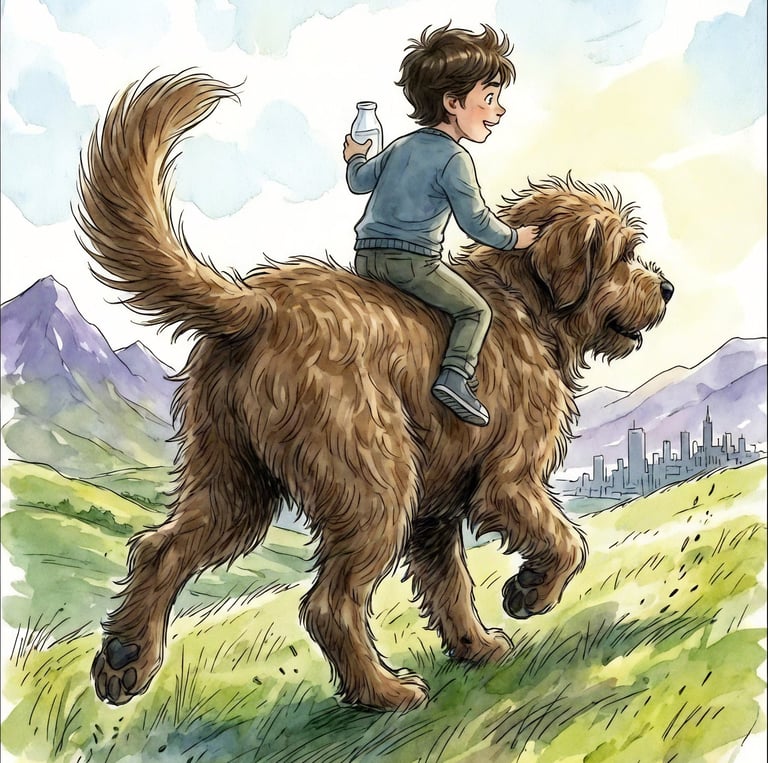
Especially powerful for neurodivergent children.
For families of autistic children and those with sensory or emotional processing differences, finding books that genuinely help can feel like searching for something rare. This book has found a particular home with those families, and the response from the adults in their lives has been clear.
As one caregiver of an autistic toddler put it: "I really love it for helping give emotions names."
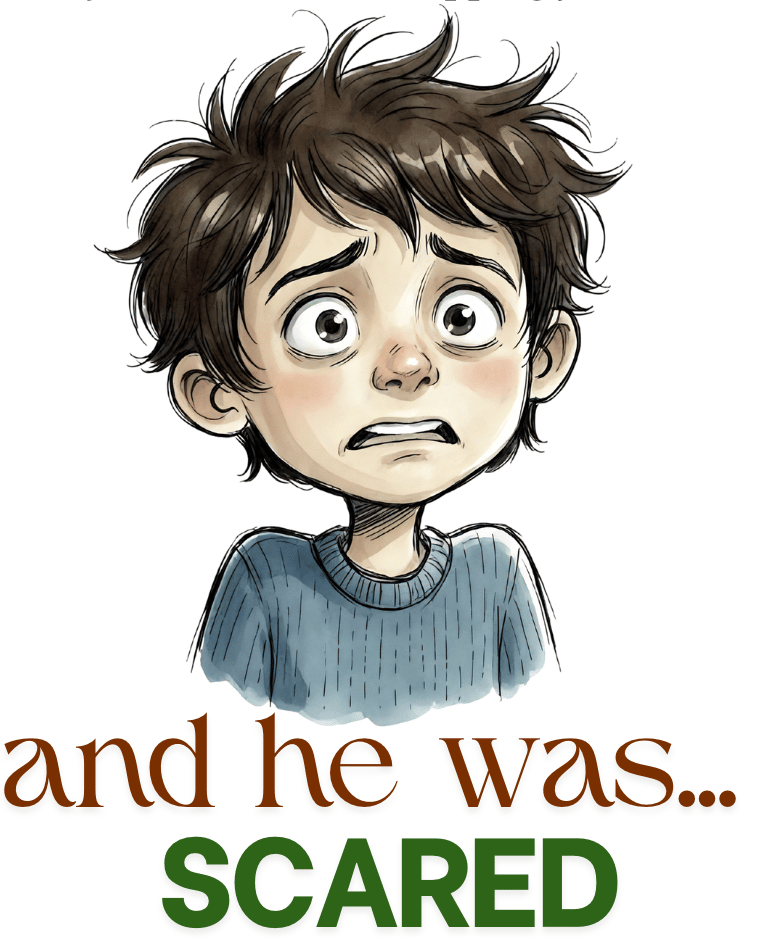
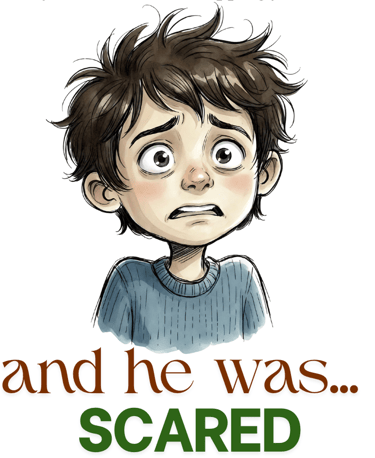
What makes it work for neurodivergent children specifically is not one single thing but a combination of several. The emotions in this book are visible, shown clearly in faces and bodies rather than simply described in text. The check-in pages give children a structured moment to pause and identify what they are feeling, using distinct visual typography for each emotion. And the story-led approach means children absorb emotional understanding naturally, without ever feeling singled out or taught at.
For children who find direct conversations about feelings difficult, Finn's journey creates a side door into those conversations that many adults find opens more easily than a direct approach.
Contact Us
Reach out for questions, comments, school visits and press inquiries.
hello@browndogbook.com
© 2026. All rights reserved.